
Importing solar modules from China to the European Union is more than just transportation by ship. From choosing the right logistics partner and CE marking to customs clearance and final delivery – every step must be professionally planned and implemented. After all, solar modules are sensitive, valuable and subject to numerous regulations.
This article provides you with a compact overview of the most important topics relating to transport and logistics: Which certificates are mandatory? What customs duties apply? How long does the sea route take and what do you need to bear in mind for onward transportation? If you know the key points, you can avoid delays and unnecessary costs.
From Shanghai to Europe: how your solar modules travel across the ocean
Why sea freight is the gold standard for solar module imports
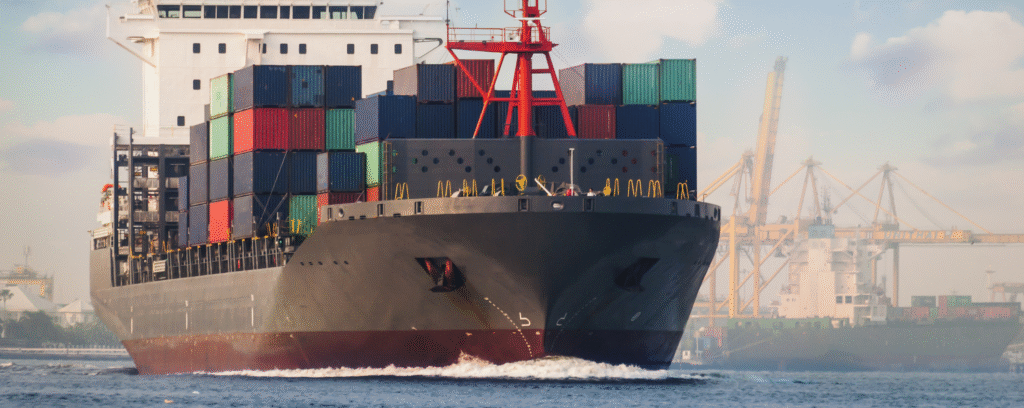
Most solar modules from China travel to Europe by sea freight – because this is where cost savings and large capacities come together. The most important ports for exports are Shanghai and Ningbo, from where containers leave for Europe every day.
Important to know:
- Container types: 20-foot standard or 40-foot high cube containers are usually used, depending on the volume and weight of the cargo.
- Cost factors: Freight rates fluctuate greatly – influenced by
- ⛽ Oil prices (bunker fuel),
- 🌦️ seasonal demand and weather conditions,
- ⚓ Port and service charges,
- 💱 currency fluctuations,
- and the 📊 utilization of container capacities.
This makes sea freight inexpensive, but also a dynamic challenge where regular market observation pays off.
How long does the journey take? Realistic delivery times from China
How long does it take to get from China to the EU?
| Western Europe | approx. 25 days |
| Northern Europe | approx. 30 days |
| Southern Europe | approx. 27 days |
These times are indicative and may vary by 5 to 10 days due to factors such as:
- the selected port of loading and destination,
- different freight forwarders,
- as well as current transport conditions.
In addition, you should allow approximately 7 days each for loading at the port of departure and unloading at the port of destination – often underestimated, but crucial for the overall schedule.
Customs and Bureaucracy: How to Avoid Costly Port Delays
For many importers, customs clearance is a critical step that must be carefully planned and professionally managed. Without successful customs clearance, goods cannot be released for free circulation and may be delayed by days or even weeks. In 2025, customs procedures have evolved through new regulations and digital processes, but they remain complex.
Arrival notice by the freight forwarder
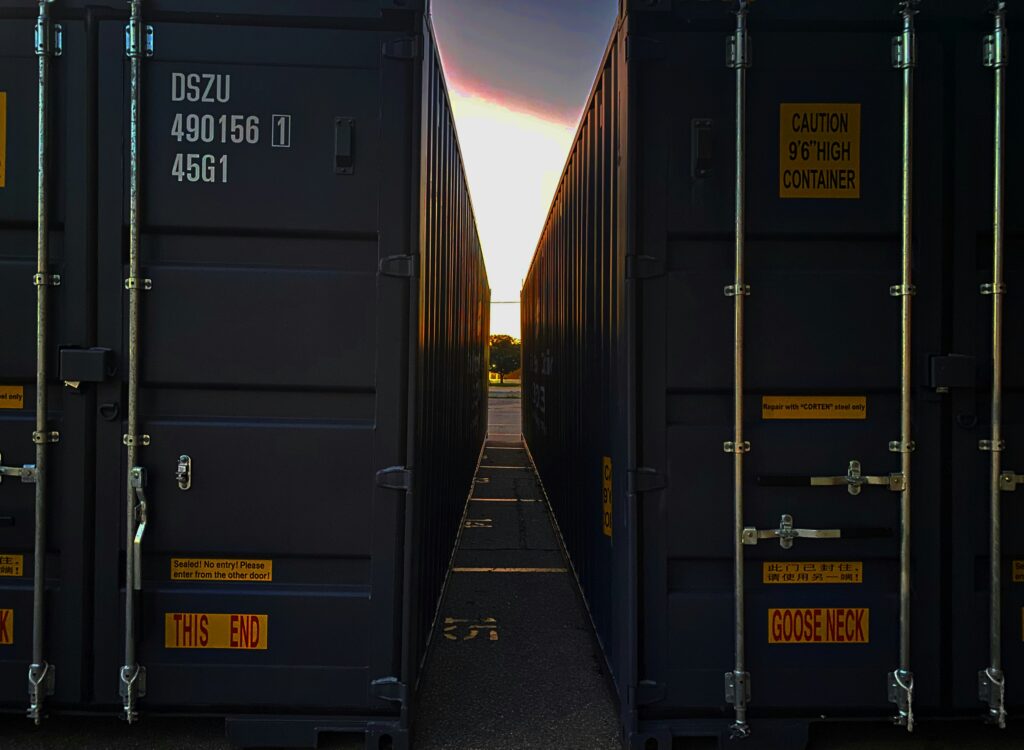
After the arrival of your solar modules at the destination port, you will typically receive an official arrival notice from the freight forwarder or port agent within 5 days. This notification is your first confirmation that the goods have arrived and that the next administrative steps can now be prepared.
ENS (Entry Summary Declaration)
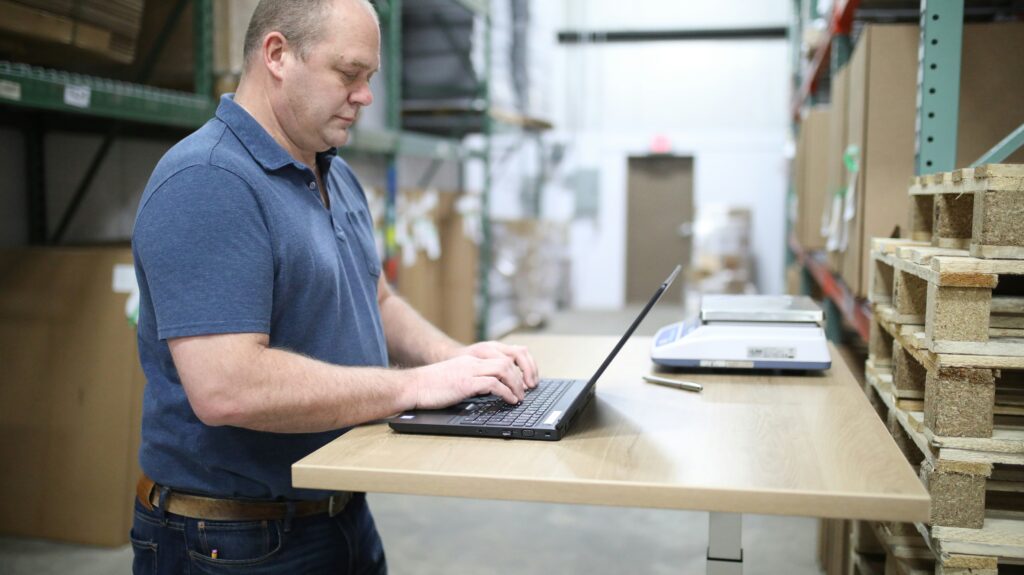
The ENS pre-notification has been mandatory since 2023 for all sea freight imports into the EU. All shipment data must be electronically submitted to customs before the goods arrive at the port. This early notification serves security purposes and allows authorities to conduct targeted risk analyses. However, delays or errors in the ENS notification can cause processing delays and incur additional costs.
Customs Inspection and Clearance
Upon arrival, the customs authorities first check the completeness and accuracy of the documents — including the commercial invoice, the waybill, and all necessary certificates. Afterwards, customs decides whether a physical inspection of the goods is required. There are two types of inspections:
| Criterion | Non-Intrusive Inspection | Intensive Inspection |
|---|---|---|
| 🔍 Type of Inspection | X-ray scan or document check | Opening the container, physical inspection of the goods |
| ⏱️ Duration | A few hours up to max. 1 day | 3–7 working days or longer |
| 💸 Costs (2025) | approx. €250–280 | approx. €700–850 + storage fees + possibly additional freight costs |
| 📁 Trigger / Reasons | Random sample, unclear documents, low risk classification | Suspicion of false declarations, missing CE certificates, safety concerns |
| 📦 What is inspected? | Only papers or image evaluation of the container | Visual inspection of solar modules, packaging, possibly functional features |
| 🧱 Risks with poor preparation | Low (delay of 1 day possible) | High: Delay of 1 week+, additional costs, project delays |
| ✅ Avoidable by … | Correct commercial invoice and ENS declaration | Difficult, but risk greatly reducible by complete & verified documents |
| 📉 Impact on supply chain | Minimal with good preparation | High project consequences with |
These inspections are unavoidable, but with good preparation and the correct documents, you can significantly reduce the likelihood of an intensive inspection.
Why a Customs Broker Is Essential in 2025
Customs processing has not become easier due to new digital systems and continuously updated EU regulations. An experienced customs broker is an indispensable partner in this context. They ensure that all documents are submitted correctly and on time, are well-versed in the latest regulations, and can help you avoid delays and additional costs.
Moreover, a good broker assists with the payment handling for duties, taxes, and any applicable fees, ensuring quick clearance of your goods. This saves you a lot of time and stress, especially if you don’t deal with customs processes on a daily basis.
Last Mile, Major Effort: How to Get the Modules Safely to Their Destination
After successful customs clearance, the final—but equally important—part of the logistics chain begins: the land transport from the port to your warehouse or directly to the project site.
Road transport via truck
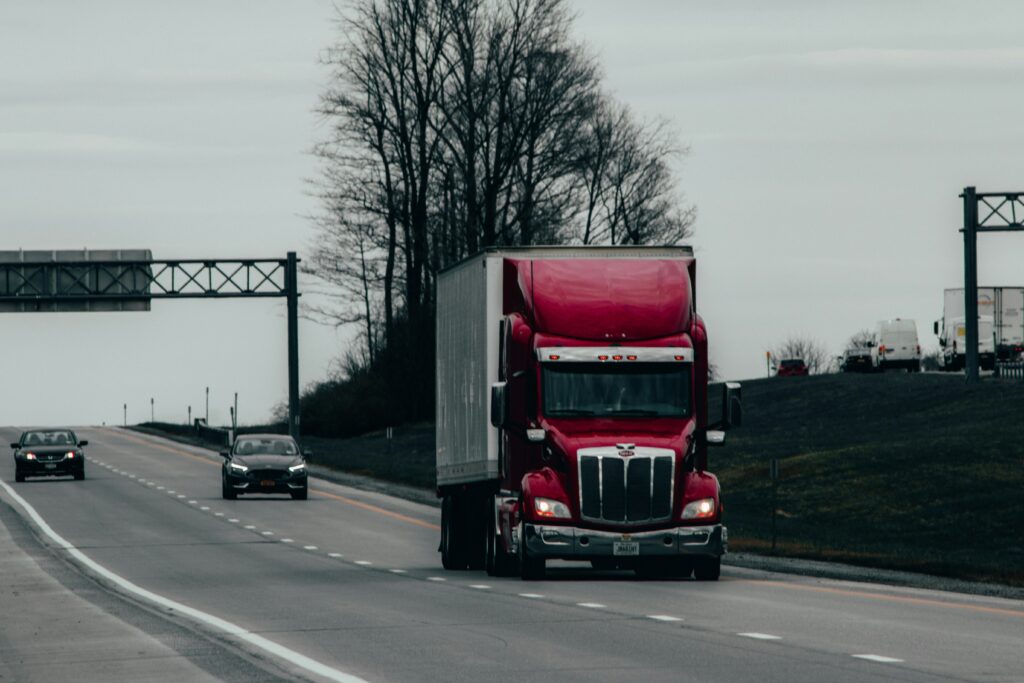
Most solar modules are transported further within Europe by truck. Especially in Germany and the EU, road transport is often the fastest and most flexible way to reach even remote locations.
However, transporting solar modules is not an everyday freight – they are sensitive and must be handled properly to avoid damage.
Experts for Precision Goods: Why Not Every Truck Should Transport Solar Modules
Use transport companies with experience in handling solar modules. These providers are familiar with the special handling requirements:
- Proper packaging and cushioning
- Secure load securing
- Careful loading and unloading
They ensure that the modules are protected during transport from shocks, moisture, and temperature fluctuations.
Loading, Securing, and Unloading of the Modules
Correct loading is crucial: Solar modules are often transported upright on special racks to avoid cracks or scratches. Securing is done with tension belts and non-slip mats to prevent any movement, even on winding roads.
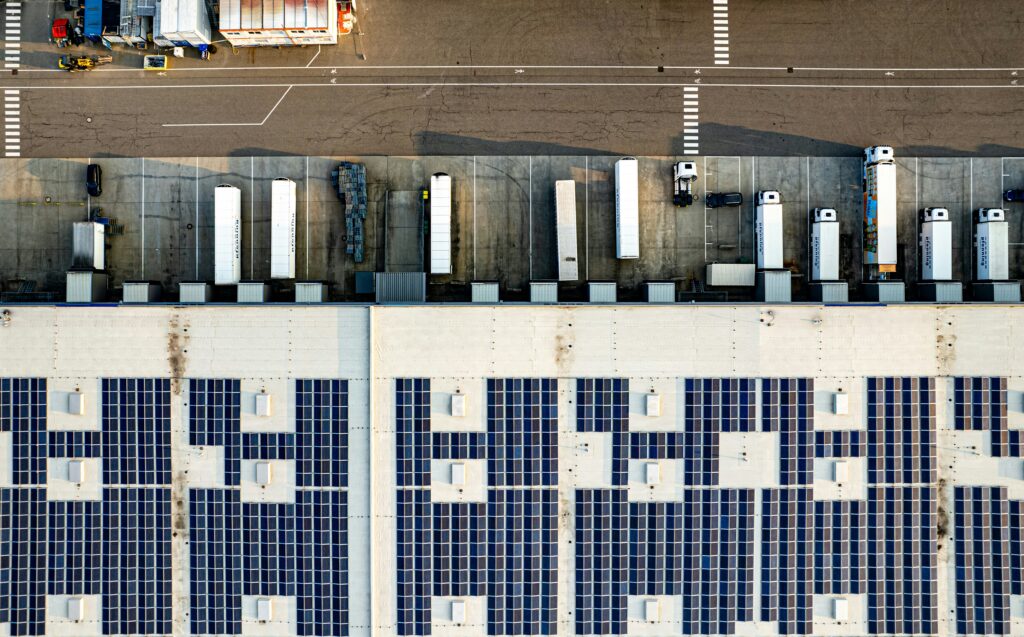
Upon arrival, a trained team takes over the unloading—often using lifting equipment and working in sheltered areas to prevent any further damage.
Typical Risks in the Logistics Process
When importing solar modules from China to Europe, various pitfalls can arise in the logistics process that may disrupt the schedule or cause unexpected costs. Here is an overview of the most common risks:
Delays Due to Customs or Inspections
Customs is a central checkpoint — but it is precisely here that delays can occur. Random inspections, whether non-intrusive or intensive, take varying amounts of time:
- Non-intrusive checks usually last only 1–2 days.
- Intensive inspections can take over a week and delay the entire supply chain.
Such delays directly impact delivery schedules and, consequently, your projects.
Cost Traps: Demurrage, Detention & Inspection Fees
In addition to delays, extra costs can arise that quickly blow your budget:
- Demurrage: Fees charged when containers remain in the port beyond the free storage period.
- Detention: Costs for the late return of containers to the shipping company.
- Inspection Fees: Non-intrusive inspections cost around €250–300, while intensive inspections can run €700–900 or more.
These fees add up quickly if the goods stay in the port longer than planned.
Improper Handling During Loading or Unloading
Solar modules are delicate. Mistakes during loading or unloading can:
| Risk | Impact |
|---|---|
| ❌ Cracks, Scratches, Breaks | Physical damage renders the modules unusable or reduces their lifespan |
| ⚡ Defective Cells / Electronics | Impairment of functionality, loss of performance |
| 💸 Devaluation of the Entire Shipment | In the worst case, complete financial loss |
Therefore, it is essential that experienced professionals handle the modules with care.
Tips for Smooth Logistics
To ensure the import of your solar modules from China goes smoothly and without unpleasant surprises, it’s worth being well prepared from the start. Here are some proven tips:

Timely Organization of Documents
Missing or incomplete paperwork is one of the most common causes of delays. Make sure early on that all important documents — from the commercial invoice and bill of lading to the ENS declaration — are complete and accurate.
Direct Contact Person at the Freight Forwarder
Having a personal contact at the freight forwarder ensures transparency and short communication channels. This way, you can quickly respond to questions, track the status of your shipment, and resolve issues promptly.


Benefit of an Experienced Customs Agent
Customs clearance is complex and subject to constantly changing regulations. An experienced customs agent knows the latest requirements and can assist you with submitting documents and handling payments. This minimizes risks and saves time.
Early Transport Booking
Especially in times of congested ports and fluctuating capacities, bottlenecks can occur quickly. Plan your sea freight and onward transport early — this way you secure preferred bookings and avoid last-minute costs.

Conclusion: Why Well-Planned Logistics Is the Key to Solar Success
The transport and logistics of solar modules from China to the EU are complex processes that require careful planning and solid expertise. From choosing the right transport route and customs clearance to safe onward transport—each stage presents its own challenges and risks.
Professional and well-coordinated logistics are the key to avoiding delays and unnecessary costs. Experienced partners such as specialized freight forwarders and customs agents play a crucial role. With their support, the entire process can be managed efficiently, transparently, and securely.
Only in this way do the solar modules arrive reliably and on time at the warehouse or project site—significantly contributing to the success of your solar projects.
Sources:
EU Regulations and Directives
European Parliament and Council of the European Union. (2011). Regulation (EU) No 305/2011 of the European Parliament and of the Council of 9 March 2011 laying down harmonised conditions for the marketing of construction products. Official Journal of the European Union. https://eur-lex.europa.eu/legal-content/EN/TXT/?uri=CELEX%3A32011R0305
European Parliament and Council of the European Union. (2012). Directive 2012/19/EU on waste electrical and electronic equipment (WEEE). Official Journal of the European Union. https://eur-lex.europa.eu/legal-content/EN/TXT/?uri=CELEX%3A32012L0019
Customs and Trade
European Commission. (2023). TARIC – Integrated Tariff of the European Union. https://ec.europa.eu/taxation_customs/dds2/taric/taric_consultation.jsp?Lang=en
European Commission. (2018). Abolition of minimum import prices for Chinese solar modules. Press Release. https://ec.europa.eu/commission/presscorner/detail/en/IP_18_5675
Logistics & Transport
BTS Logistics. (2025). Sea Freight Cost Market Report 2025. Internal Report.
ISO. (2003). ISO 9050: Glass in building — Determination of light transmittance, solar direct transmittance, total solar energy transmittance, ultraviolet transmittance and related glazing factors. International Organization for Standardization. https://www.iso.org/standard/32575.html
Other
European Sea Ports Organisation. (2024). Customs clearance in European ports. https://www.espo.be/


 English
  German